The region has always demanded a particular kind of operational agility. Regulations can shift quickly, demand patterns can be volatile, and consumer expectations continue to rise. For supply chain leaders operating in the Middle East, complexity has always been part of the job.
Interview
The Resilience Playbook
What is unfolding today, however, is of a different magnitude. Airspace restrictions are constraining global air cargo capacity, with some estimates pointing to impacts on more than a tenth of worldwide freight flows. At the same time, the Strait of Hormuz has once again become a focal point of operational risk that carriers, shippers, and manufacturers are actively monitoring.
Ocean freight routes that were stable for years are being reassessed, while companies across sectors are reviewing inventory buffers, sourcing options, and routing decisions. For supply chain teams in the region, these are very real operational variables influencing decisions being made on which routes to use, how much inventory to hold, and which suppliers to qualify as alternatives.
Based on our experience across the Middle East and other high-growth markets, three capabilities are proving particularly important in preparing organizations for this kind of pressure. However, it must be stated that before any operational strategy is deployed, our absolute first priority remains unwavering: ensuring the safety and well-being of our teams on the ground. Once our people are secure, we can focus on the operational pillars of resilience:
1. Trusting Local Intelligence Over Central Assumptions
Resilience begins with local knowledge. One of the most damaging mistakes a supply chain organization can make is treating the Middle East as a single market. Countries like Egypt, Saudi Arabia, and the UAE may sit within the same regional footprint, but they operate within very different regulatory frameworks, trade structures, and logistics realities.
Supply chains that rely on centralized decision-making often struggle to react with the speed required in this environment. By contrast, organizations that empower regional teams to respond quickly to changing conditions are far better positioned to manage disruption as it unfolds.
Henkel has been building operational capability across the region for decades, and the experience consistently reinforces the same lesson: the best decisions are often made closest to the market. Listening to local teams and trusting them to act quickly proves far more effective than waiting for direction from the center. The role of the center is to coordinate, provide support, and ensure consistent, ongoing communication flows. This approach protects local markets from an influx of redundant information requests, allowing them to focus fully on managing the situation on the ground.
2. Technology That Helps You Decide Faster
Data is not the same as insight, and visibility is not the same as readiness. The technology investments that are actually paying off manage to improve the speed and quality of decisions under uncertainty.
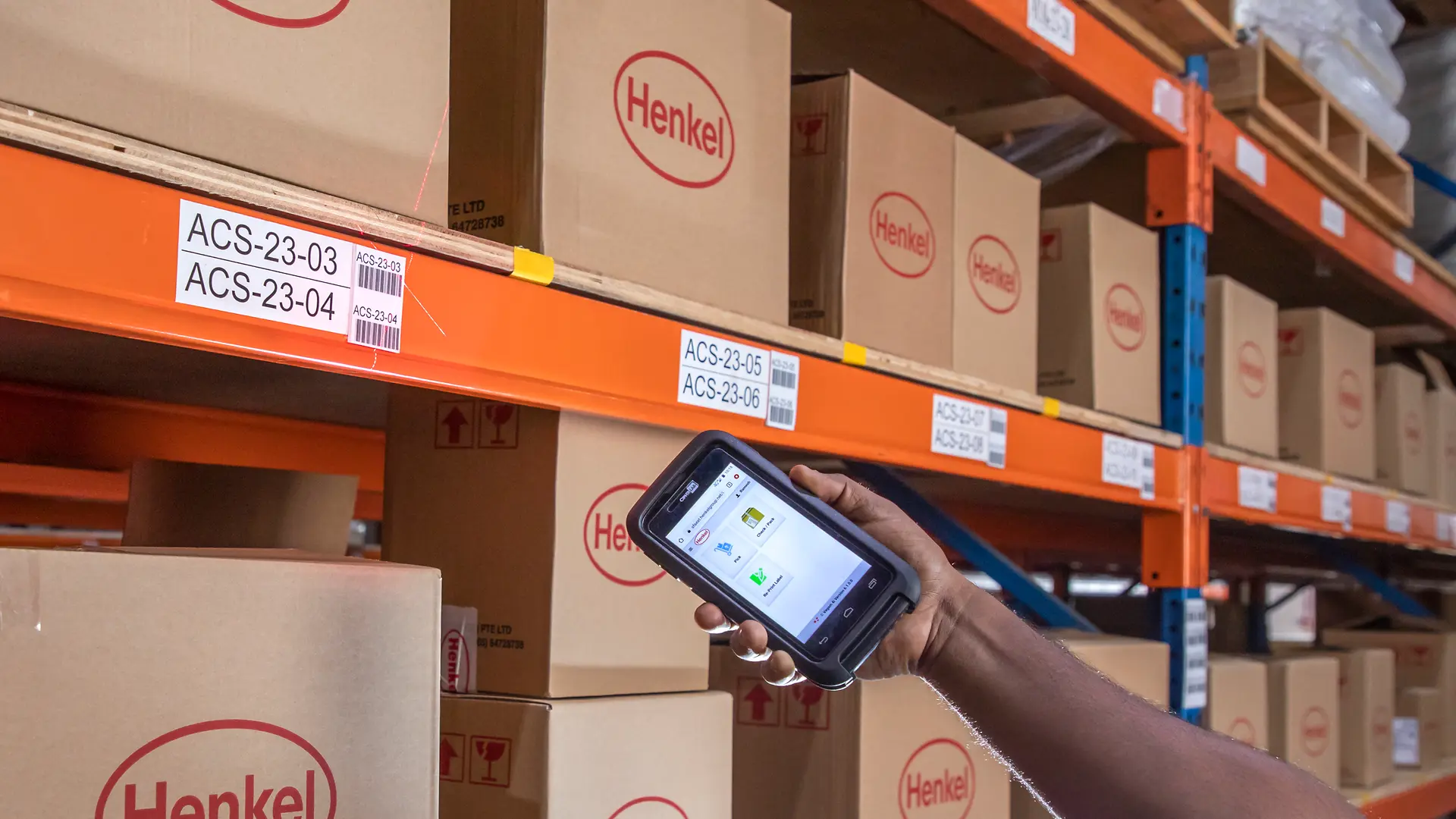
Across our manufacturing facilities, Industry 4.0 technologies such as sensors, automation, and live production data are reducing exposure to single-point failures that become far more disruptive when the external environment is already under strain. These tools do not eliminate uncertainty, but they allow operations teams to respond faster and with greater confidence.
Furthermore, robust operations management relies on dynamic visibility. Therefore, Henkel utilizes integrated dashboards to continuously monitor operations, assess real-time situations, model potential scenarios, and rapidly execute Business Continuity Plans when disruptions arise.
3. Recognizing That Sustainability and Resilience Are the Same Investment
Operational sustainability and supply chain resilience are increasingly two sides of the same investment. The drive to reduce dependence on carbon-intensive logistics, diversify energy sources, and eliminate production waste often produces supply chains that are not only cleaner but structurally more robust.
Our manufacturing site in Egypt has achieved carbon-neutral production, and across our operations, we have reduced CO₂ emissions per ton of product by 64% since 2017. Designing operations carefully and systematically tends to produce leaner, more flexible, and disruption-resistant supply chains as a direct by-product.
Built Over Time: Preparing for the Unpredictable
Henkel marks its 150th anniversary this year, a milestone that reflects decades of operating across different markets, economic cycles, and technological shifts. One lesson that remains constant is that resilience is rarely built in moments of crisis. It stems from decisions made long before disruption becomes visible.
Ultimately, these times remind us that we must always prepare for the unpredictable. Having an open mindset for scenario thinking and leaning into cross-functional collaboration, now more than ever, is what truly makes a difference. Harnessing the power of collaboration ensures that when volatility strikes, the entire organization is aligned and ready to adapt.
In a region that sits at the crossroads of global trade and energy flows, supply chains carry a broader responsibility: keeping goods moving when conditions become uncertain. The companies that will navigate this environment most successfully will be those that accept volatility as part of the operating model and design their supply chains accordingly.

Ready to make an impact? Explore opportunities to join Henkel through our careers page and become a pioneer for the good of generations.